

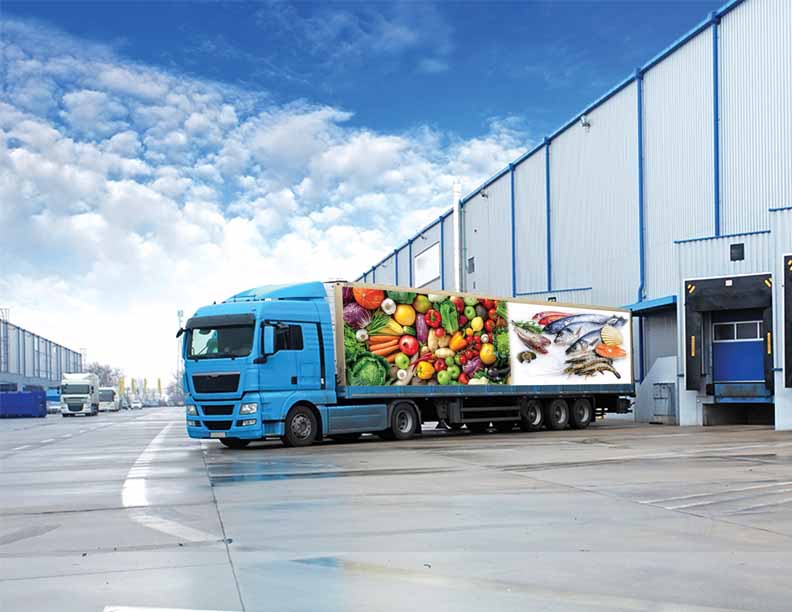
A refrigerated vehicle can maintain the correct temperature for a long trip, but the delivery can still go wrong when it is delayed at a depot, loading bay or customer address. Nationwide distribution involves more routes, stops and transfers, creating more opportunities for products to spend too long outside controlled storage or arrive later than promised.
SCGJWD provides cold chain logistics Thailand food producers can use for storage and nationwide distribution. Its facilities support temperatures ranging from controlled rooms at 25°C to deep-freeze storage at -40°C, alongside temperature-controlled transport. The required conditions must be maintained when products are loaded, moved between facilities and handed to the customer.
Many delivery problems begin before the vehicle leaves, particularly when goods are brought out of storage too early, the truck has not reached the correct temperature or the paperwork is incomplete. These problems create delays at the loading bay before the trip has started. The warehouse should confirm the vehicle temperature, loading order and delivery documents before the doors are opened and the products are moved.
Long routes give the delivery team less time to recover from a late start. Traffic can add hours to a schedule, and some customers only accept deliveries during a fixed window. Route plans should use records from previous deliveries rather than relying only on map estimates, particularly for areas where vehicles regularly wait on busy urban roads or at markets and distribution centers.
Delivering to several customers in one trip creates a different problem. The doors are opened at every stop, and the driver may need to move other orders to reach the correct pallet. Loading products in delivery order reduces this extra handling and keeps later orders inside the refrigerated vehicle. Customers should also receive an expected arrival time so they can clear space and prepare staff before the truck reaches them.
Frozen seafood, chilled dairy products, fresh produce and prepared meals may all require different temperatures. They cannot be placed together simply because they are all perishable. The warehouse and transport plan should record the correct range for every product and use separate vehicles or compartments when conditions are not compatible.
Customer delays can be as damaging as delays on the road. A restaurant may not have cleared its cold room, a retailer may be missing the person authorized to accept the goods or a distribution center may have a queue of vehicles. Confirming the delivery window and contact person before dispatch reduces the chance of temperature-controlled products waiting outside the vehicle.
Temperature and vehicle location should be monitored throughout the delivery. If a truck is delayed or the temperature begins to move outside the required range, the operations team needs enough information to contact the customer, change the route or arrange another cold facility. Complete records also help resolve disputes when a shipment is rejected because of its condition.
Breakdowns and rejected deliveries need a written response that staff can follow without waiting for several levels of approval. The plan may include a replacement refrigerated vehicle, temporary space at a nearby warehouse or instructions for returning the goods safely. As deliveries expand into more provinces, placing stock at a regional facility may be more reliable than adding extra hours and stops to a route from one central warehouse.