

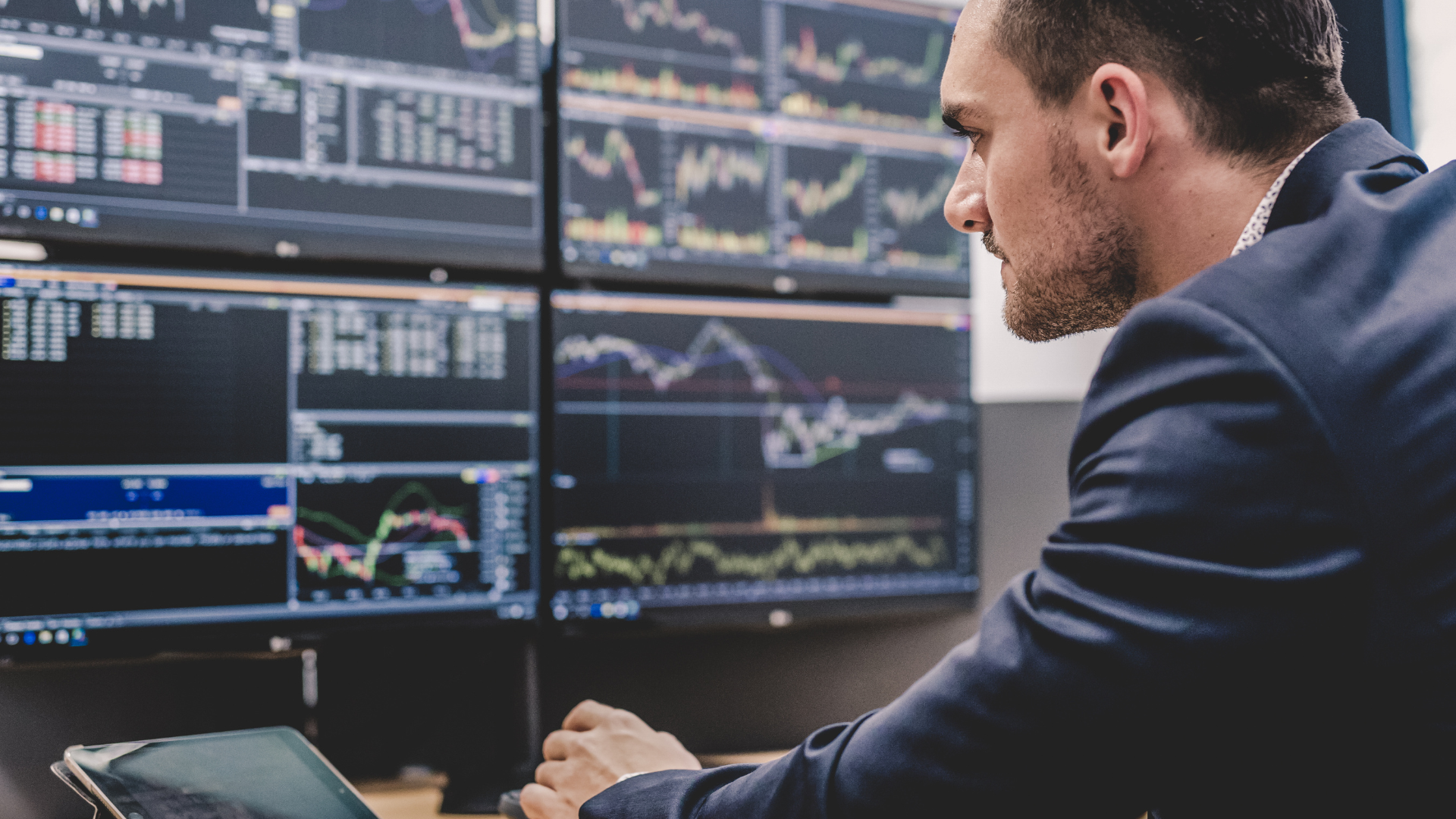
The UAE has become one of the most dynamic financial hubs in the Middle East, attracting investors and traders who want access to international markets without geographic limitations. As global markets become increasingly interconnected, many traders in the region are exploring financial instruments that offer flexibility, market access, and efficient capital use. Contracts for Difference, more commonly known as CFDs, have emerged as a popular choice for individuals seeking exposure to global assets from a single trading environment.
What makes CFDs particularly appealing is their ability to connect traders to multiple asset classes without requiring direct ownership of the underlying instrument. From equities and commodities to currencies and indices, traders can participate in market movements across different economies and sectors. In a region where economic diversification and financial literacy continue to expand, CFDs are becoming an increasingly strategic option for experienced investors and newer market participants alike.
Accessing International Markets with Greater Flexibility
One of the strongest advantages of CFD trading is the ability to access international markets from virtually anywhere. Traders in the UAE are no longer limited to regional exchanges or local opportunities. Instead, they can gain exposure to major stock indices in the United States, commodities linked to global energy demand, or foreign exchange markets that operate around the clock.
This flexibility aligns well with the UAE’s position as an internationally connected economy. Professionals, entrepreneurs, and investors in cities such as Dubai and Abu Dhabi often follow developments in Europe, Asia, and North America because global events increasingly influence local business activity. CFDs provide a practical way to respond to these developments without navigating multiple brokerage accounts or international investment restrictions.
Another important aspect is the ability to trade rising and falling markets. Traditional investing often focuses on buying assets expected to appreciate over time. CFDs allow traders to speculate on downward market movements as well, creating opportunities during periods of uncertainty or volatility. In modern financial markets, where economic cycles shift quickly, this flexibility can become a valuable strategic advantage when used responsibly.
Why CFDs Appeal to Modern UAE Traders
The appeal of CFDs also stems from their efficiency and convenience. Many CFD platforms allow traders to monitor diverse asset classes through one interface, making portfolio management simpler and more streamlined. For busy professionals balancing careers and investments, this accessibility is particularly important.
Leverage is another feature that attracts attention. By allowing traders to control larger market positions with a smaller initial deposit, CFDs create opportunities for enhanced exposure. At the same time, experienced financial educators and regulatory authorities consistently emphasise the importance of understanding risk management when using leverage. Successful traders typically focus not only on potential gains but also on protecting capital through disciplined strategies and informed decision-making.
The growth of digital trading infrastructure in the UAE has further supported the rise of CFD participation. Financial technology innovation, stronger regulatory frameworks, and increasing public interest in investment education have all contributed to broader market engagement. Many traders now seek platforms that combine advanced tools with educational resources, market analysis, and responsive customer support. Companies such as ADSS have gained attention among regional traders for offering access to global financial markets while operating within a regulated environment that prioritises transparency and user confidence.
The Importance of Market Knowledge and Strategy
While CFDs offer flexibility and opportunity, successful participation depends heavily on preparation and market awareness. Financial professionals widely agree that trading without a structured strategy can expose individuals to unnecessary risk, especially in volatile conditions. Traders who approach the market with realistic expectations and clear risk parameters tend to build more sustainable long-term habits.
Economic indicators, geopolitical developments, and central bank policies all influence global asset prices. A trader monitoring energy markets, for example, may follow oil production decisions, inflation data, or international trade activity. Similarly, those involved in currency trading often pay close attention to interest rate announcements and employment figures. CFDs provide access to these markets, but understanding the factors that drive price movement remains essential.
Education has become a defining factor in modern trading culture. Many UAE traders now prioritise continuous learning through webinars, market reports, demo accounts, and technical analysis training. This shift reflects a broader global trend in retail trading, where informed participation increasingly separates disciplined investors from purely speculative behaviour. In a fast-moving financial environment, knowledge often becomes just as important as market access itself.
Conclusion
The growing interest in CFD trading across the UAE reflects a broader shift toward globally connected investing. Traders are seeking more flexible ways to participate in international markets, diversify exposure, and respond to changing economic conditions. CFDs provide access to a wide range of opportunities while allowing individuals to engage with financial markets in a more adaptable and efficient manner.
Long-term success in CFD trading depends on far more than access alone. Market knowledge, disciplined risk management, and continuous education remain essential foundations for sustainable participation. As the UAE continues strengthening its position as a global financial hub, traders who combine strategic thinking with informed decision-making will be better equipped to navigate both the opportunities and challenges of modern global markets.