

The seafood sector has changed fast. It now rewards people who understand science, supply chains, and responsible sourcing. If you want to work with a global seafood company, the field offers steady demand, varied roles, and the chance to shape how the world feeds itself.
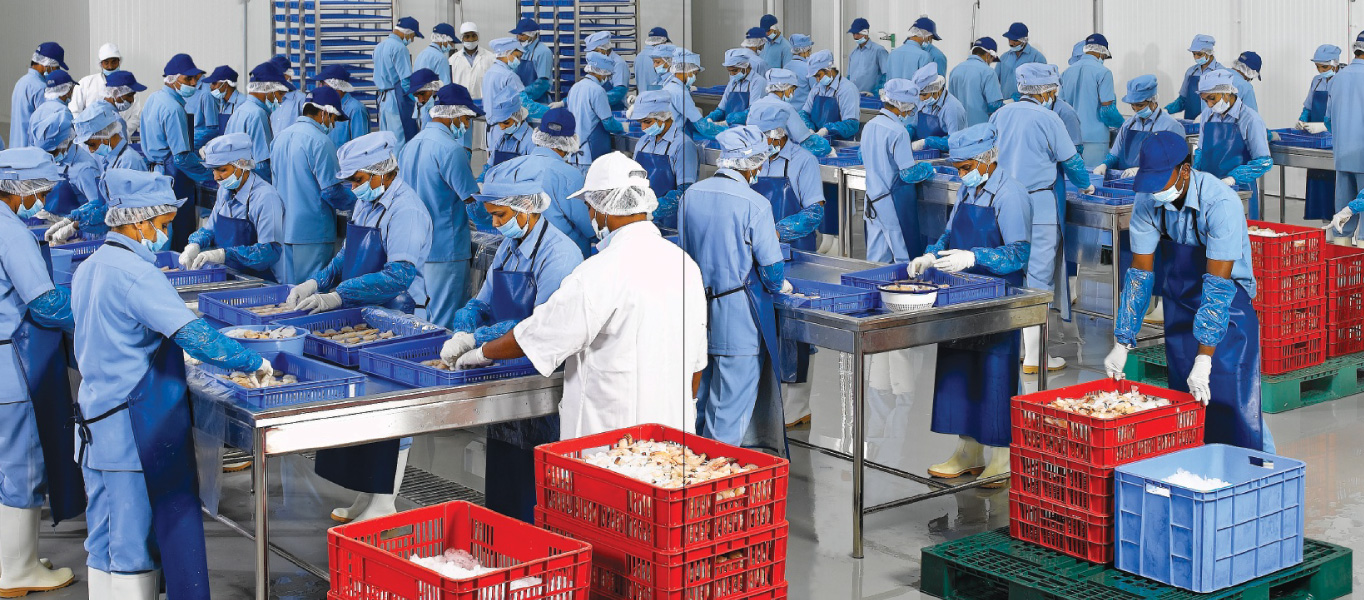
Thailand makes a strong base for this kind of career. The country ranks among the world’s largest seafood processors, handling huge volumes of tuna and shrimp each year. People who work with a global seafood company in Thailand gain exposure to export markets across Asia, Europe, and North America, along with the standards those markets demand.
Sustainability has moved to the center of the business. Buyers now require proof of responsible sourcing, and that shift creates fresh roles. Those who work with a global seafood company often find themselves at the meeting point of farming, processing, and environmental management.
A Range of Career Paths
The industry needs more than fishers and packers. Modern operations rely on a wide mix of skills.
- Aquaculture technicians manage water quality, feeding, and fish health on farms.
- Quality and food safety officers run checks against HACCP and GMP standards.
- Supply chain planners coordinate cold chain logistics from boat to buyer.
- Sustainability specialists handle certification, traceability, and reporting.
- Lab scientists test protein content, freshness, and oxidation levels.
Each role connects to the next, so movement between teams is common.
Skills That Matter
Employers value a blend of technical and practical ability. Data skills help you read catch logs, growth rates, and feed conversion figures. Knowledge of food safety rules keeps product fit for export. Clear communication lets you work across farms, plants, and overseas buyers.
Language ability also helps. English supports trade with European and Japanese markets, while local language skills smooth daily operations on the ground in Thailand.
Industry Growth
Global demand for seafood keeps rising while wild stocks stay under pressure. Farmed fish now supplies a large share of that demand, and the technology behind it improves each year. This growth means steady hiring across farming, processing, and export roles.
Investment follows the demand. Recirculating farm systems, sensor monitoring, and better feed all need trained staff to run them. People who learn these tools early build skills that stay in demand.
Thailand’s Role in Global Supply
Thailand has reformed its fishing rules in recent years, tightening controls on labor and catch reporting. Plants run modern freezing lines and follow recognized standards. This mix of scale, regulation, and technology keeps the country central to global supply.
For workers, that means access to a mature industry with clear standards and international reach. Experience gained here carries weight in seafood markets worldwide.
A career in sustainable seafood offers steady demand, varied roles, and real purpose. The sector needs technicians, scientists, planners, and sustainability experts, and it rewards people who keep learning. Build skills in food safety, data, and traceability, gain hands-on experience in farming or processing, and you set yourself up for long-term growth in a field that feeds the world responsibly.